
How to care for a bronze sculpture with patina
Caring for bronze begins with respect for its surface. Colour, matt areas and subtle transitions may be part of the artistic intention rather than dirt to be removed.
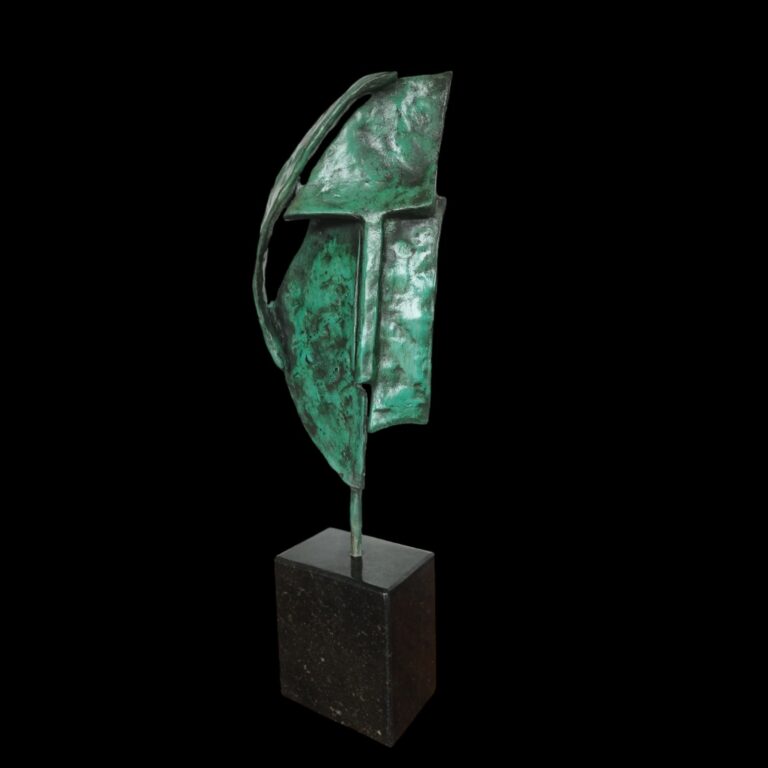
Patina is part of the image
Bronze sculptures can have different surface treatments and protective coatings. Knowing the metal alone is not enough to select a cleaning product. In works such as Aplomb and Female Torso — Tall, surface colour contributes to our perception of the form. Aggressive polishing can change that character.
Before the first cleaning, request instructions for the particular work: its patina, protective layer, dusting method and whom to contact if anything changes. Keep this information with the sculpture’s documentation.
Gentle care indoors
On a sound, stable surface, routine care will often mean carefully removing loose dust with a clean, very soft brush, without pressure. Stop if the surface is flaking or deposits are powdery, and consult a specialist. Avoid rubbing dust across polished areas: hard particles can scratch them.
Do not use metal polish, abrasive pastes, kitchen scouring pads or acidic household mixtures. Avoid alcohol and solvents unless specifically instructed. Do not add oil or wax on your own initiative; compatibility with the existing coating matters. Discuss wet cleaning in advance, especially where different materials, joints or fixings are present.
Handling and placement
Avoid unnecessary touching of a patinated surface. Prepare the destination and establish safe lifting points before moving a sculpture. Never lift by a slender limb, sail, tail or decorative element. Do not assume that attachment to a stone base makes it safe to carry the entire work by the bronze component.
For a heavy or complex work, arrange handling with the artist or a suitable specialist. Protect it from spills, condensation and furniture-cleaning sprays. The stone plinth may require a different care method from the bronze.
When to seek advice
Photograph unusual new stains, powdery deposits, a lifting coating or a loose connection. Provide both an overall view and a close-up in neutral light. Do not try to even out the colour by polishing. Green alone does not establish damage: it may belong to a stable artistic patina. The nature of a change and the condition of the layer need assessment.
Sculpture outdoors
Outdoor works need an individual inspection and maintenance plan. Rain, salts and trapped water create different demands. A universal waxing timetable will not suit every sculpture. Discuss care when selecting a work for a garden or public space.
For a sculpture by Eugene Laguten, ask the artist for care instructions before treating the surface.
Technical references: Canadian Conservation Institute — Cleaning, Polishing and Protective Waxing of Brass and Copper; Caring for metal objects; Caring for outdoor objects. General guidance does not replace instructions for a particular finish.